Thirty-Eight Quid for the Same Songs: Confessions of a Repeat Vinyl Buyer
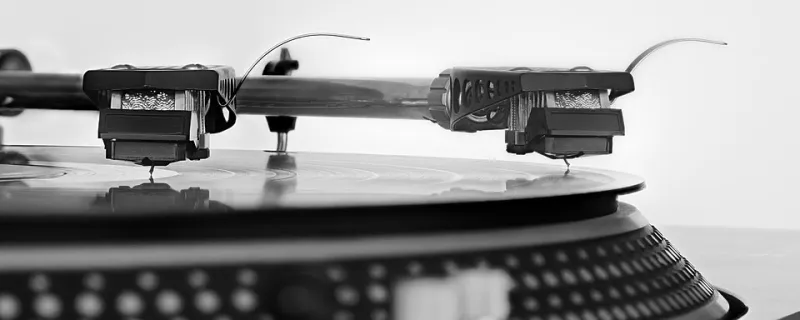
Photo: Franz van Duns, CC BY-SA 4.0, via Wikimedia Commons
I own Fleetwood Mac's Rumours three times. Once on a scratched CD from a car boot sale, once on a plain black LP I bought in 2011 when everyone was still slightly embarrassed about vinyl, and once on a half-speed remaster that cost me £32 in a shop I am fairly sure has since closed. So when I saw a new 2026 reissue in a gatefold sleeve, pressed on 180g vinyl and described as 'definitive', I did what any sensible person would do: I picked it up, turned it over, saw £38 on the sticker, put it down, and then picked it up again.
This is not a unique story. It is the story of British record buying in 2026. We are all standing in shops, holding objects we already own in another format, trying to work out whether we are music lovers or just very sentimental consumers with a direct debit to the past.
The crate at the back of the charity shop
The best-value culture in Britain is still a charity shop record crate. Two quid for a crackly copy of Graceland. A pound for a James Last LP you buy as a joke and then play unironically. The British Heart Foundation, Oxfam, the local hospice shop: these are the true independent record shops of the nation, staffed by volunteers and smelling faintly of furniture polish.
But even the crates have changed. Charity shops have got wise. Anything with a hint of rarity goes behind glass or straight onto Discogs. The days of finding a first-pressing Smiths album between a Cliff Richard LP and a boxed set of classical records are mostly gone. What is left is the pleasure of the hunt, the £2 gamble, the walk home with something you did not know you wanted. That is still a love story. It is also the only part of record buying that has not been repackaged and marked up.
What the extra twenty quid actually buys
A standard single LP in 2026 can cost an independent label £8 to £12 to press before you have paid for artwork, shipping, VAT and the shop's cut. A heavyweight double LP with a tip-on sleeve and a download card can clear £20 at wholesale. The shop still has rent, wages, card fees and a landlord who wants a word about the lease. None of this is a secret. The £38 reissue is not pure greed.
But there is a difference between a fair price and a nostalgia premium. When a remastered album I already own costs more than a decent second-hand coat, I want to know what I am paying for. Is it the new mastering? The packaging? The fact that it comes with a lithograph of a studio door? Or is it simply that the market has learned we will pay it?
I am not immune. I have bought the same album on cassette, CD and vinyl, in that order, over roughly thirty years. Each time I told myself it was different. The cassette was for the car. The CD was for the flat. The vinyl was for the ritual. The fourth time, if I am honest, was for the object itself: the weight, the sleeve, the act of putting it on a shelf next to the others. That is not nothing. But it is not music either.
Record Store Day and the theatre of the queue
Record Store Day still works, which is either lovely or slightly mad. In April 2026, people queued outside shops from 5am for exclusive pressings they could have bought online by lunchtime if they had been patient, or by the following week if they had been sensible. The queue is a social club. It is a chance to talk to strangers about a B-side. It is also a masterclass in manufactured scarcity.
I have queued. I have enjoyed it. I have also paid £34 for a record that would have been £22 in any other month, because it had a sticker on it and a limited run of 1,500. The shop gets its cut, the label gets its margin, and I get a story. Everyone wins except my bank balance and my shelf space.
The uncomfortable question is whether the revival is still about the music, or whether it has become a subscription service for middle-aged people who want to feel like they are still discovering something. I say this as a middle-aged person who wants to feel like he is still discovering something.
The shop still needs you, not just the reissue
The vinyl revival is a love story, but love stories cost money. The question is who gets it. If the £38 reissue keeps the shop open, pays the person behind the counter and funds the next pressing of a local band nobody has heard of, fine. I will pay it and moan about it and come back next month. If it is just a nostalgia tax shipped to a shareholder, I would rather go back to the crate.
So here is my rule for 2026: buy the reissue if you will actually play it. Buy the charity shop copy if you want the thrill of the hunt. Buy the record from the band at the gig, because that is where the money actually matters. And if you see me in a shop holding a fourth copy of an album I already own, do not judge me. Just ask me whether the chairs are any good in the upstairs room.