The Wobbly Chair Test: Why Britain's Best Culture Happens Upstairs in a Pub
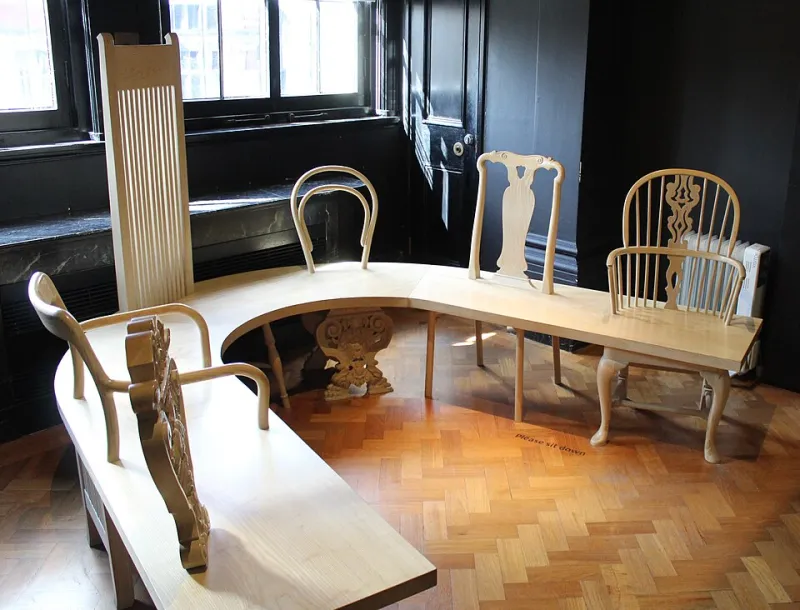
Photo: 14GTR, CC0, via Wikimedia Commons
The best gig I saw this year was in a room that smelled faintly of chips. The stage was a bit of floor. The PA was held together with gaffer tape and hope. The chairs did not match, and at least one of them had a wobble that made the whole front row sway in time with the bass. It was brilliant.
I have also been to the polished arena. The sound was perfect, the seats were padded, the pints cost £8.50 and I had to leave before the encore to catch the last train. It was fine. It was not the same thing.
This is not nostalgia for grot. It is an argument about where culture comes from. The bad chair is not a bug. It is a tell. It tells you that a room has been made by people who care more about the thing happening in it than about the branding on the door.
The chair is the tell
Walk into a village hall and you will see a stack of chairs that have lived. Some are plastic, some are folding, some are upholstered in a fabric that has not been fashionable since 1974. The lighting is a table lamp and a string of fairy lights. The stage is a riser that squeaks. The person doing sound is the person who knows how the amp works, not a professional with a laptop and a lanyard.
That room is not trying to impress you. It is trying to host something. And that changes the atmosphere. You are not a customer being served a product. You are a person in a room with other people, watching something that might be a bit rough, and that roughness is part of the deal.
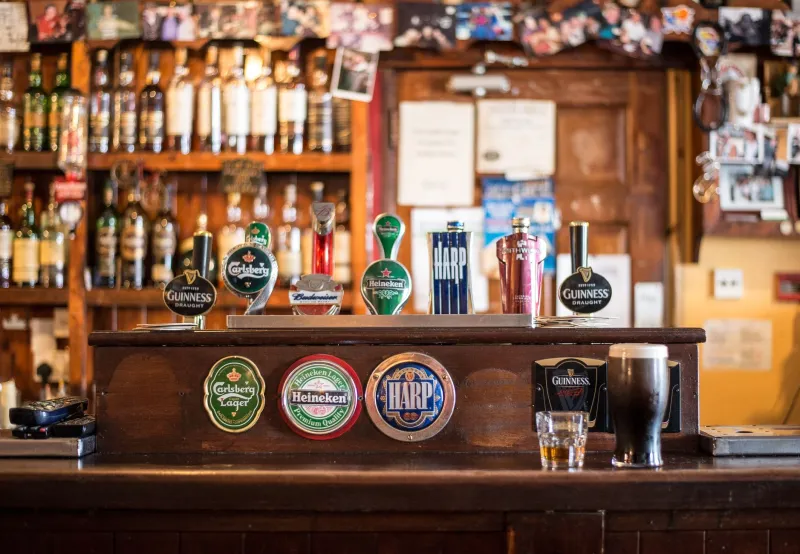
The same goes for the upstairs room of a pub. The ceiling is low. The stairs are steep. The beer is decent. The band is too loud for the space and the comedian is doing material about the local roundabout. There is a chance the whole thing will fall apart. That is the point.
Where the culture actually gets made
Grassroots venues are the research and development department of British culture. They are where bands learn to play to a room that is not full. They are where comedians find out whether a joke works when the audience is three pints in and not entirely sure why they are there. They are where poets read to twelve people and one of them is the poet's mum.
I saw a comedy night in a library back room in 2026 where the headliner did twenty minutes on the difficulty of finding a parking space in a market town. It was the funniest thing I heard all year. The room held maybe forty people. The chairs were the kind you stack after a toddler group. The whole night probably made less money than one arena hot dog. It also felt more alive than anything I have seen in a venue with a corporate sponsor.
These places are not quaint. They are infrastructure. A village hall committee, a pub landlord, a library manager, a church hall treasurer: these are the people who keep the lights on and the doors open. They do it for very little money and a lot of goodwill. When we talk about 'levelling up' or 'creative industries', we should be talking about them.
The economics of a room that isn't trying to be a brand
A polished arena has to sell thousands of tickets to break even. A grassroots venue has to sell forty. That sounds like a weakness. It is actually a strength. It means the stakes are lower and the risks can be weirder. You can put on a night that nobody has heard of because nobody has to justify it to a board.
But the economics are still brutal. Rents go up, energy bills go up, insurance goes up. A pub that used to host music three nights a week cuts back to one. A village hall gets a new committee and decides the hall is too much hassle. A library closes its back room because it needs the space for computers. These things happen quietly. Nobody writes a headline. The culture just gets a little thinner.
There are ways to fight back. Community ownership is one. Pubs have been saved by community share offers. Village halls have been kept open by people who care enough to sit through meetings about damp. The Asset of Community Value process is not glamorous, but it buys time. Councils can help by not selling off the buildings. Funders can help by not demanding a business plan that would make a village hall sound like a start-up.
What we lose when we tidy up
When a venue gets too polished, something goes out of it. Not always. Some rooms manage to keep the soul and get the sound right. But the pressure to be a 'destination' is real. The pressure to have a nice bar, a good Instagram, a programme that appeals to everyone. The wobbly chair gets replaced. The gaffer tape gets hidden. The rough edges get sanded down.
I am not saying every night out should be uncomfortable. I am saying that comfort is not the only measure of a good time. A room with bad chairs can still be warm. A room with perfect seating can still be cold. The question is whether the people in the room want to be there, and whether the people running it want you there.
So here is my test for 2026: if the chairs match, be suspicious. If the PA wobbles, give it a chance. If the person on the door is also the person doing the sound and the person selling the raffle tickets, you are probably in the right place.
Keep the bad chairs. They are doing more for British culture than most of us realise.