The Twenty-Quid Month: What Britain's Cheap Culture Actually Costs
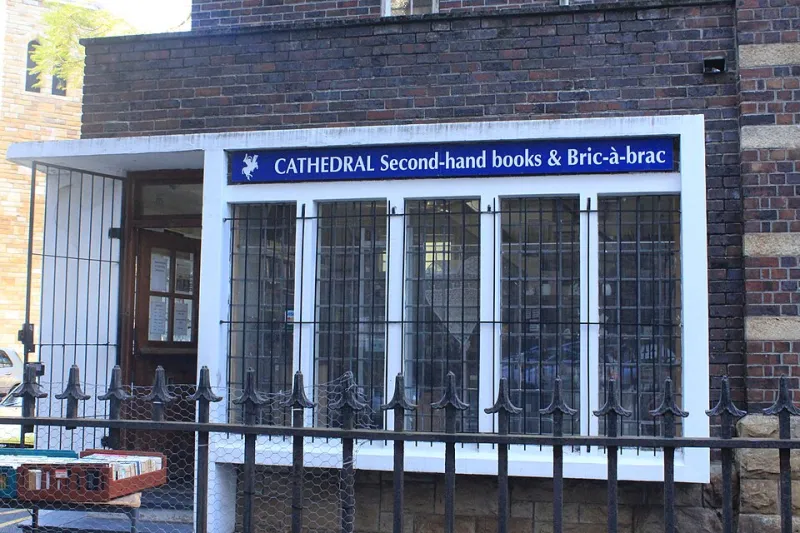
Photo: Sami Mlouhi, CC BY-SA 4.0, via Wikimedia Commons
The rules were simple, which is usually how these things start before going wrong. For one calendar month, everything cultural — exhibitions, gigs, plays, books, the lot — had to come out of a single £20 note. No borrowing. No 'it's only a fiver'. No quiet topping-up from the direct debit.
I live in a mid-sized British city with decent buses, an unreliable train line and a city centre that's roughly forty per cent charity shops by floor area. I am also within day-trip range of London, which helps, and also doesn't, because a return ticket eats the entire budget before you've looked at a painting.
Here's what twenty quid bought me, and what it quietly demanded in return.
Week one: the free museum and the donation box
Started with a big civic gallery. Free entry, as most of the nationals and a good few municipals are. I walked in, had a genuinely excellent hour in front of two rooms of post-war British painting, and then spent ten minutes in a silent negotiation with the perspex donation box.
I put in £5. Not because anyone made me feel bad, but because I know how these places are funded and I know what happens when nobody does. That's a fifth of the pot gone in the first weekend, on something officially free. Worth noting early: free culture is heavily subsidised culture, and the subsidy doesn't always keep up.
Running total: £5.
Week two: charity shop roulette and the library
I bought four paperbacks for £4.50 from a hospice charity shop where the shelves were better organised than most chain bookshops and the woman on the till had opinions about all four. Then I reserved a novel from the library for 90p, which felt almost indecent.
I also learned the first real lesson of the month: the cheapest culture requires you to know things. Which shop has the good shelf. Which gallery has the free late night. Which pub has a back room that hosts a poetry night nobody advertises. This information is not evenly distributed, and the people who have it tend to be the people who already go to things.
Running total: £10.40.
Week three: community theatre and a pay-what-you-can gig
A local amateur dramatics group put on a two-hander in a church hall. Nine pounds, hard chairs, a tea urn, and honestly a better evening than several £45 touring productions I've sat through. The acting was uneven in the way that community theatre often is, and nobody in that room cared, because half of them knew someone on stage.
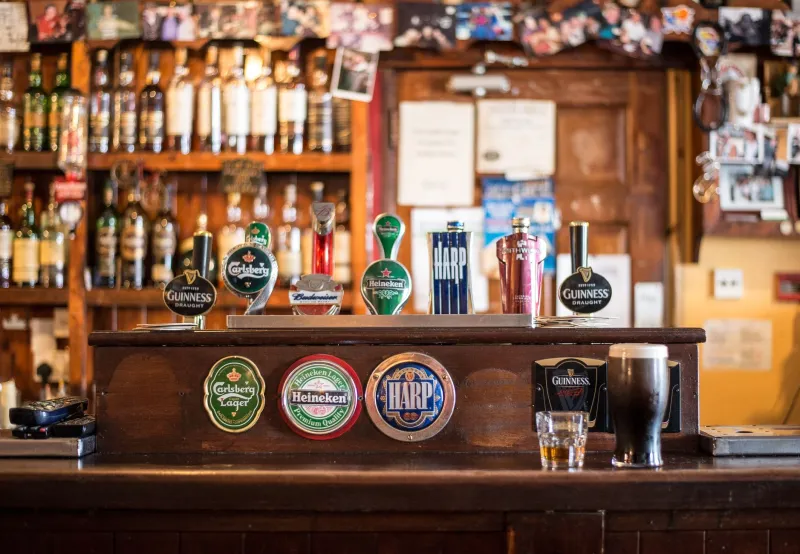
A few nights later, a pay-what-you-can gig in the upstairs room of a pub. I paid £6, felt like a cheapskate, and then bought a £5.20 pint I hadn't budgeted for, which is exactly how pay-what-you-can economics works in practice.
Strictly speaking I was then over budget, so I booked nothing for the rest of the week and read one of the charity shop books instead.
Running total: £25.40. Over. And that's before travel.
The bit nobody puts in the column
Travel is the killer, and it isn't glamorous enough to mention. My bus fare into town is £2.40 each way. A train to the nearest city with a proper theatre is £11 return if I book early, £19 if I don't. Two of those trips and the cultural budget is irrelevant, because I can't afford to arrive.
The last bus home from the city centre on a Sunday is 6.45pm. That single fact rules out most evening culture for anyone in the outer estates without a car. Cheap tickets don't help if the building is shut by the time you get there, or if getting home costs more than the play.
Who the £20 challenge quietly excludes
I want to be careful here, because there's a genre of article where a writer discovers that free things exist and presents it as a revelation. Free things have always existed. The distribution is the problem.
Cheap culture asks for time, confidence and local knowledge. It asks you to walk into a church hall on your own and assume you're welcome. It asks you to know that pay-what-you-can doesn't mean pay nothing, and to be comfortable with the maths. It asks you to spend an evening somewhere that isn't marketed to you.
If you've got a car, a flexible job and a decade of practice at this, it's a lovely game. If you haven't, it's a series of small hurdles that add up to a closed door — and no amount of 'there's so much on for free!' fixes a bus timetable.
What twenty quid actually bought me
By the end of the month: an hour of painting, four second-hand books, one library reservation, a church hall play, a pub gig, and a long walk through a park I'd never bothered with. I went over budget by £5.40 on paper and by a lot more once transport was counted honestly.
Was it a good cultural life? Genuinely, yes. Was it cheaper than a couple of pints? Barely, and only if you don't count the fare.
So the conclusion isn't that you can't have culture for twenty quid. You can, and some of it will be better than the expensive stuff. The conclusion is that 'affordable' and 'accessible' are different words, and Britain keeps reaching for the first one because the second one would mean funding buses, keeping local venues open and admitting that free entry still needs somebody to pay for the roof.
Twenty quid a month is doable. But it shouldn't be a challenge, and it shouldn't depend on me knowing where to look.