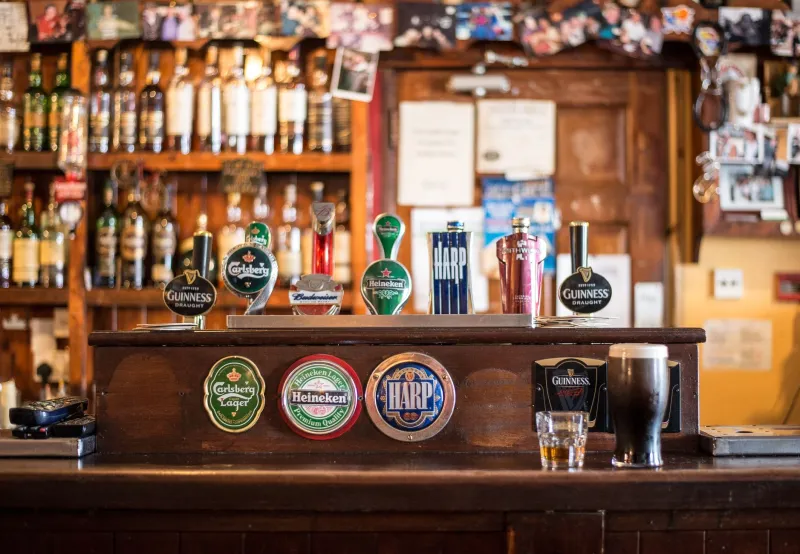
The Empty Foyer Problem: What We Lose When Every Cinema Seat Is Booked in Advance
Photo: Culturaactiva, CC BY-SA 4.0, via Wikimedia Commons
The screen was full and the foyer was empty. It was a Saturday in late September, the kind of damp evening that used to send people into town looking for something to do. The 7.40 showing had been sold out for two days. The bar had two staff on and nobody at it. The ticket machines glowed at an empty lobby. Everyone was already in their seats, or still on the bus, having booked a specific row three weeks earlier.
This is not a complaint about full cinemas. Full cinemas are good. But the way we fill them has changed, and the change has quietly rewritten the British night out. The walk-in – the decision made at ten past seven, on the pavement, with a friend – is becoming a relic. In 2026 the default is to book, and the default is also to pay more for the privilege.
The booking-screen decade
It did not happen overnight. Through the late 2010s, booking fees became normal, then seat selection became normal, then reclining seats and premium rows became normal. The pandemic accelerated all of it. Cinemas reopened with apps, timed slots and a new enthusiasm for 'premium experiences'. By the time audiences came back, the habit had changed. We had learned to plan the cinema the way we plan a flight.
The multiplex chains will tell you this is what customers want. Odeon, Cineworld and Vue have all leaned into reserved seating, premium formats and dynamic pricing – the practice of charging more when demand is high and less when it is not. It is the airline model applied to a Friday night. In theory it fills quiet screenings. In practice it makes the casual punter feel like they are being managed.
Premium seats, dynamic prices and the death of the casual punt
There is nothing wrong with a reclining seat. There is nothing wrong with paying a bit more for a better view. But there is a difference between offering options and making the basic option feel like a punishment. When the standard seat is cramped and the premium seat is £4 more, the cinema has not improved the experience. It has introduced a class system to a room that used to be gloriously egalitarian.
Dynamic pricing is the bigger shift. It turns a night out into a transaction with a fluctuating exchange rate. You check the app on Monday and the ticket is £11. You check on Friday and it is £16. You decide to stay in. The cinema has priced itself out of the spontaneous decision, which is exactly the decision that used to keep it alive.
What multiplexes got right
The big chains are not villains. They have kept the lights on in towns where the alternative is nothing. They have invested in projection and sound. They have made cinemas cleaner and more comfortable. The best multiplexes are genuinely pleasant places to see a film, and the premium formats – IMAX, Dolby, the big recliner screens – give people a reason to leave the house.
But they have also made the foyer a holding pen. The bar is empty because everyone arrives at the last minute. The arcade is empty because the audience is older. The box office is empty because the box office is an app. The social life of the cinema – the bit where you argue about what to see, bump into someone, change your mind – has been designed out.
The independent counter-current
Independent cinemas are caught in the same economics but often resist the same logic. Picturehouse, Curzon, Everyman and the BFI Southbank all use booking, but they also tend to keep room for the walk-in. Some still sell tickets at the door. Some still have a bar you can sit in without buying a ticket. Some still show films for a week, not a weekend, so the decision does not have to be made in advance.
The exhibitors I have spoken with describe a familiar tension: booking data helps them programme, but it also narrows the audience. If you only book what you know will sell, you stop taking chances. The walk-in is not just a convenience. It is a small act of discovery. It is how people find the film they did not know they wanted to see.
The audience case for leaving room
Cinema-goers I have talked to are not nostalgic for queuing in the rain. They like choosing a seat. They like knowing they will get in. But they also miss the casualness of it. One person told me she now goes to the cinema less often because it feels like a commitment. Another said he books two films a month and then cancels one because the plan feels like admin. The walk-in used to be the opposite of admin. It was the thing you did when you could not be bothered to plan.
There is also the question of who gets left out. Not everyone has a smartphone, a card that works online, or the spare time to book three days ahead. The walk-in is a low-barrier entry point. It is the teenager with cash, the parent who got a babysitter at short notice, the couple who finished dinner early. A cinema that only serves planners is a cinema that has decided some people do not matter.
A modest proposal: keep ten per cent unbooked
I am not asking cinemas to rip out their apps. I am asking them to keep a little room for the accidental audience. Hold back a handful of seats for every screening – not the worst ones, not the ones behind a pillar. Ten per cent would do. Sell them at the door, at a fair price, first come first served. Let the foyer feel like a place where something might happen.
It would cost the chains almost nothing. It would give the independents a point of difference. And it would send a signal that the cinema is still a public room, not just a content delivery system with a ticket fee.
The empty foyer is not a tragedy. But it is a loss. A night out used to include the walk, the queue, the indecision, the shared bag of popcorn. The film was the main event, but the evening was the point. If we book every seat in advance, we save ourselves the uncertainty. We also save ourselves the surprise. And the surprise is the reason we went out in the first place.