The Mug Knows Best: A Field Guide to the Office Tea Run
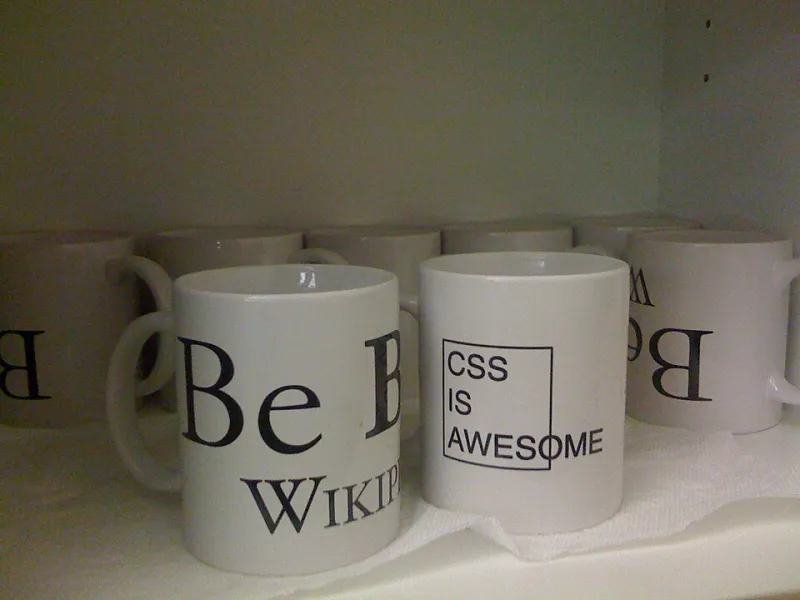
Photo: Wittylama, CC BY-SA 3.0, via Wikimedia Commons
There is a moment, somewhere between 10:40 and 11:15, when an office stops being a place of work and becomes a place of negotiation. Someone stands up. Someone says the words. And the whole room quietly works out what kind of place it actually is.
"Anyone want a brew?" is not small talk. It is a question with a hidden second half, and the answer tells you more about your colleagues than a year of appraisals ever will.
How do you take it?
Here is the thing nobody puts on a job description: remembering how someone takes their tea is one of the last unmeasured acts of care left in British working life. You cannot put it on a spreadsheet. You cannot claim it as a competency. It exists entirely outside the system, and it is offered freely, or not at all.
The person who knows you're oat milk, no sugar, bag left in for about ninety seconds and then fished out with a spoon — that person has been paying attention to you in a way that has no professional upside whatsoever. That's the point.
The archetypes
Every office runs on a cast of about six, and you'll recognise yours within a paragraph.
The Reluctant Pioneer. First to stand, never especially keen to. Usually making the round to escape a spreadsheet that has begun to feel personally hostile. Returns eight minutes later carrying six mugs in a configuration that defies physics and wearing the expression of a war correspondent filing from the front.
The Order Collector. Goes round with a notepad. Has a system. Remembers that Priya came off caffeine in March. The notepad is not a joke — the notepad is the closest thing to tenderness this building has managed since the Christmas do. If this person ever leaves, the whole operation collapses within a fortnight.
The Milk Auditor. Opens the carton, sniffs it, pauses, and pronounces it "off". Thereby becomes the office's unelected food safety officer. Nobody asked. Everybody defers.
The Mug Borrower. Takes yours "just for a minute". Returns it eleven days later with a tide mark and a faint air of grievance, as though you'd lent it badly.
The One Who'll Get the Next One. Has been getting the next one since 2019. We all know. Nobody says. This is Britain; we would sooner discuss our salaries than our manners.
The Kitchen Sink Diplomat. Washes up. Never mentions it. Keeps the entire edifice standing through sheer unglamorous competence. Give this person a pay rise and they will be embarrassed by it.
And then there's The Silent Refuser — "I'm fine, thanks" — who makes their own at three o'clock, alone, at the far counter, in a way that somehow feels like a verdict on everyone else in the room.
The rules, which are not written down
- Never take on a round bigger than you can carry without a tray. Hubris has a sound, and it is a mug sliding off a saucer in a corridor.
- If you're new, you go. It buys three months of goodwill and roughly forty minutes of conversation you'd otherwise never have had.
- If you're senior, you go more. In a healthy office, status is measured by who fetches, not who is fetched for. A manager who has never once made a round is telling you something, and you should believe them.
- Never shout "who's having?" into a quiet room. Do the lean. The lean is the whole art form.
- Whoever finishes the milk buys the milk. This is the entirety of company law and it has never failed.
What the round is actually for
Hybrid working has thinned all this out. A message in a chat channel saying "anyone want a coffee?" is not the same as the creak of someone's chair and the half-second of eye contact that means I'm going, are you coming? The ritual has been reduced to a notification, and notifications don't teach you anything about a person.
Because that's what the round really does. It builds a low-resolution map of who everyone is on a Tuesday when they've had no sleep. It creates a small, repeating, entirely unglamorous obligation to other people. It is, in the most literal sense, service — and it runs in both directions, which is why it works.
So when someone hands you a mug that's exactly right — the right strength, the right mug, the one with the chip on the rim that you've quietly decided is yours — what you're being handed is a piece of evidence. Someone noticed you. Not your job title, not your output. You.
That's worth more than the tea, and the tea was free anyway.
The kettle clicks off. Someone says, "go on then." The room reorganises itself into a small, temporary, perfectly functional society.
Best meeting of the day.