Last Orders for the Spontaneous Pint: Why the Ordinary Night Out Needs Saving
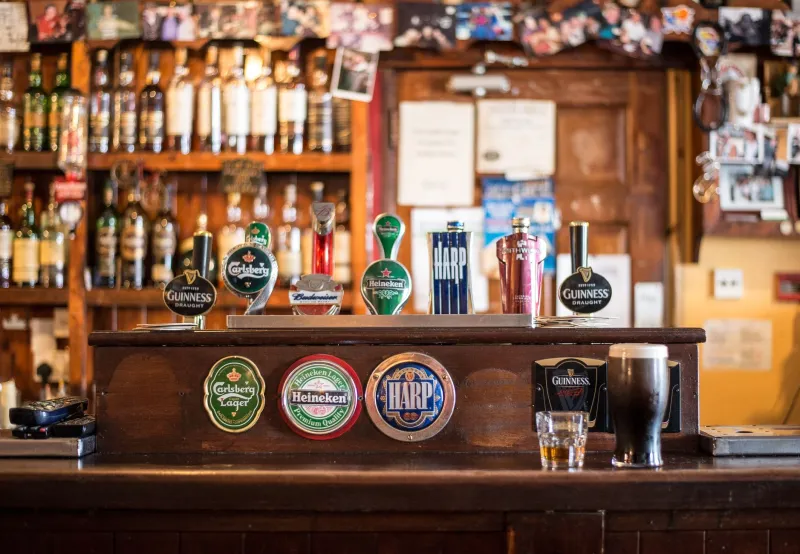
There is a pub near me that does everything right on paper. Good beer, no television, a landlord who remembers your name and a small yard out back that catches the last of the sun. On a Tuesday in October I went in at half six and there were four people in the place. By eight there were seven. The beer was £6.80 a pint. Nobody was complaining about the price. They were complaining that they had nothing to celebrate.
That, I think, is the awkward middle age of the British pub. We have spent so long arguing about the cost of a pint and the rate of closures that we have missed the quieter problem: the ordinary, unplanned visit is becoming a rarity. The £7 pint is not the enemy. The enemy is the idea that going to the pub has to be an event.
The seven-quid scapegoat
Let us be fair to the price rise. It matters. It matters to the pensioner who used to have two pints and now has one, and it matters to the student who looks at a round for four and quietly decides to stay in. In 2026 a £7 pint in a city centre is no longer a punchline; it is a line item. Energy bills, wages, duty, rent, the cost of keeping a cellar at the right temperature – none of that is imaginary.
But price alone does not explain why so many pubs feel half-full on nights when they should be ticking over. Wetherspoons still sells beer at prices that make other landlords wince, and it still fills up. Micropubs with four tables and no kitchen can undercut a gastropub and still make a go of it. The common thread is not cheapness. It is ease. The places that are doing well have made the decision to go out feel small and low-stakes.
The tyranny of the plan
The unplanned pint used to be the basic unit of British social life. You finished work, you bumped into someone, you had one and then maybe another. You did not check a booking app. You did not compare three venues on a spreadsheet. You did not wonder whether the night would justify the train fare. The pub was the default, not the destination.
Now the default is the sofa. That is not purely a pub problem. Streaming, delivery apps, the price of a taxi and the general admin of modern life have all made staying in more attractive. But pubs have adapted to the planned night out far more eagerly than they have to the accidental one. Quiz nights, bottomless brunches, TV sports, ticketed events, set menus – all of it is designed to give people a reason to come. The trouble is that a reason can also be a barrier. If I need a reason to go to the pub, I can usually find a reason not to.
Micropubs and the Wetherspoons paradox
The micropub movement gets this better than most. A small room, a few casks, no fruit machine, no music loud enough to make conversation a chore. You go in for one and stay for three because the room is doing the work. It is not trying to be a destination. It is trying to be a local. The best micropubs have the atmosphere of a good house party where nobody is checking their phone.
Wetherspoons is the other end of the scale, and it is fashionable to sneer at it. But it has kept the walk-in habit alive in towns where the alternative is a chain bar with a bouncer and a minimum spend. It is cheap, it is predictable, and it is open at ten in the morning. That is not romantic, but it is civic. A pub does not have to be beautiful to be useful.
The awkward middle is the ordinary local that has tried to become a gastropub without quite committing, or a sports bar without the screens, or a craft beer haven without the range. It charges £7 for a pint, serves a £16 burger and wonders why the Tuesday trade has gone. The answer is not always the price. Sometimes it is that the room has stopped feeling like a place where you can just pop in.
Sober-curious, not sober-sad
The sober-curious shift is often treated as a threat to pubs, which feels like a failure of imagination. Plenty of people who are drinking less still want somewhere to sit, talk and be part of a place. The pub that offers a decent alcohol-free beer, a proper coffee and a comfortable corner is not losing a customer. It is keeping one who might otherwise have stayed home.
What it cannot do is make that customer feel like a problem. I have been in pubs where asking for a zero-alcohol option produces a sigh and a bottle of something sweet and sticky. I have also been in pubs where the landlord pours a decent AF stout and asks whether you want a slice of lime. The difference is not the drink. It is the welcome.
What a civic pub actually needs
A civic pub needs three things: somewhere to sit without booking, something to drink at a price that does not require a decision, and a reason to be there that is not an event. That last one is the hardest. It might be a fire, a dog bowl, a newspaper, a landlord who knows when to talk and when not to. It might be the fact that the pub is the only warm room in the village that is not your own.
It also needs to be open when people are bored, not just when they are celebrating. A pub that only opens for bookings is a restaurant with a hand pump. A pub that opens at noon and lets the afternoon happen is doing something different. It is providing infrastructure for ordinary life.
Last orders?
I am not arguing that pubs should be museums. They have to make money, and the people running them are not charities. But the conversation about price and closure has become a way of avoiding the harder question: what are pubs for? If the answer is 'special occasions', then the £7 pint is not the problem – the ordinary Tuesday is. And once the ordinary Tuesday goes, the special occasions tend to follow.
The £7 pint is a symptom. The spontaneous pint is the thing worth saving. Next Tuesday, go in for one without checking the app first. Sit down. Stay for twenty minutes. See what happens. The landlord might be glad of it. So might you.