The Glass Archive: What We Lose When Corner Shop Windows Go Blank
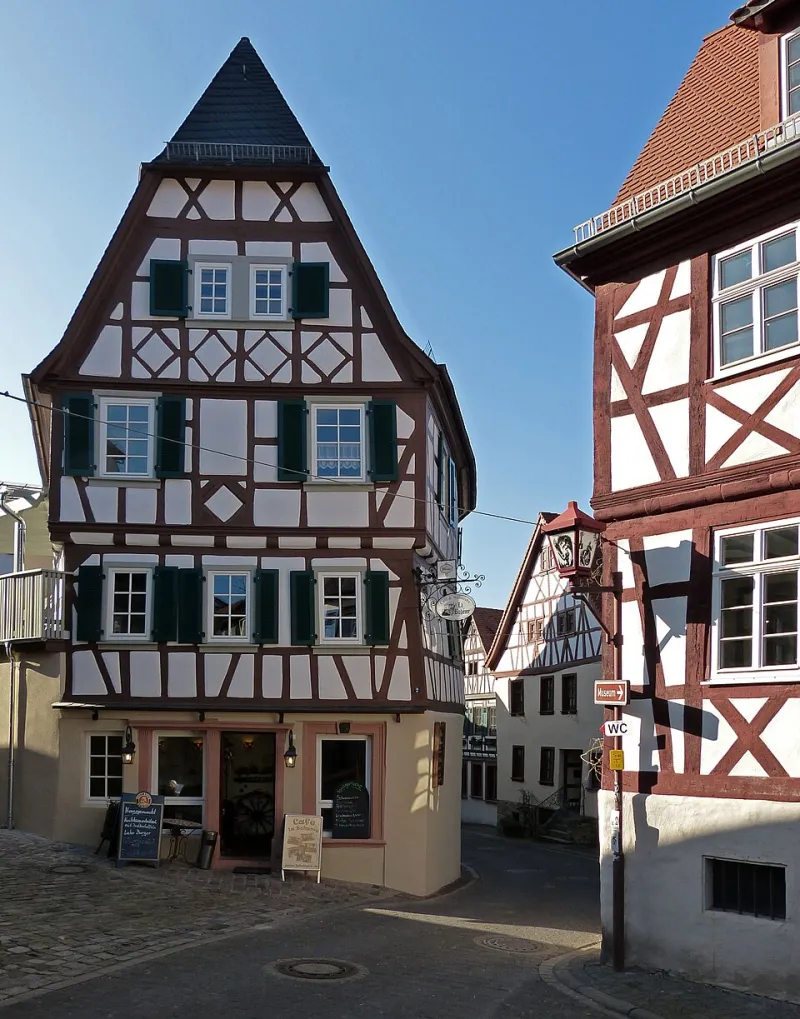
Photo: DarmstadtBert, CC BY-SA 4.0, via Wikimedia Commons
The orange of a notice that has given up
There is a particular shade of orange that only appears on a notice taped to the inside of a corner shop window for three summers. It is not quite sunset and not quite Fanta. It is the colour of a small ad that has stopped trying to be urgent and settled into being furniture.
You know the kind of thing. A lost cat called Biscuit, last seen near the rec. A room to let, bills included, sensible people only. Guitar lessons, first one free, ask for Dave. A church jumble sale that happened eleven days ago but nobody has taken down. A handwritten appeal for a reliable cleaner, with a mobile number split across two lines because the paper ran out.
These notices are not designed. They are not optimised. They are not part of a content strategy. They are taped up at eye level, slightly crooked, and they are one of the last genuinely local media systems we have left.
The noticeboard that never asked permission
We talk about local media as if it begins with a website. A hyperlocal news site, a Facebook group, a WhatsApp chain, a parish council newsletter that arrives as a PDF no one can open. All of those have their uses. But the corner shop window is older, stranger and more democratic than any of them.
It does not ask you to accept cookies. It does not make you join a group. It does not hide the good stuff below an algorithm’s idea of what you might like. It just sits there, between the lottery sign and the poster for a missing tabby, and waits for you to walk past.
That matters more than we tend to admit. A local Facebook group might have four thousand members, but it also has a moderator, a tone and a comments section. The shop window has everyone who uses that street. The woman who does not do social media. The teenager on the way to the bus. The bloke who has lived three roads away for forty years and still reads every notice with the seriousness of a detective.
It is a public square with no moderator. That is both the charm and the risk.
Low-stakes, high-trust
The notices are not verified. Of course they are not. Anyone with a biro and a roll of tape can put one up. That means you get the occasional dodgy room advert, the odd passive-aggressive note about parking, and the inevitable poster for a gig that was cancelled in 2023 but has become part of the glass.
But the lack of polish is the point. A laminated notice in a shop window is not trying to build a brand. It is trying to find a cat, fill a room, sell a sofa or get fifteen people into a village hall to look at second-hand crockery. The stakes are low, which means the trust is often high. You do not need a blue tick to advertise a jumble sale.
Hyperlocal websites are brilliant at what they do, but they are still mediated. Someone decides what counts as news. Someone approves the post. Someone deletes the comment that goes too far. The shop window has no such gatekeeper. It is messy, unsearchable and gone by Tuesday if it rains. That is not a bug. It is a different kind of public life.
The quiet loss of a blank pane
In 2026, the corner shop is under pressure. Many have been absorbed into chains, and their windows are filled with corporate meal-deal posters, lottery signage and a laminated reminder that the till closes at ten. The blank pane is becoming normal. So is the pane that only ever shows the shop’s own promotions.
When that happens, the street loses an ambient information layer. Not a loud one. Not a feed. Just a small, accidental archive of who lives nearby and what they need. You do not realise how much you read it until it is gone.
A blank window makes a street feel quieter in the wrong way. Not peaceful. Just emptier. The corner shop becomes a place to buy milk and nothing else. The social function of the glass — the bit that says this is a neighbourhood, not just a postcode — quietly disappears.
One pane of ordinary democracy
The fix is not a campaign or a grant scheme. It is smaller than that. Shopkeepers could reserve one corner of the window for local notices. Not a huge display. Not a community board with a ribbon. Just a pane where the tape is allowed. A place for the lost cat, the guitar teacher and the jumble sale.
We do not need to romanticise every handwritten ad. Some are sad. Some are scams. Some are just a bloke trying to sell a treadmill. But the whole system is a small act of faith in the people around you. It says that the street is not just a route to somewhere else. It is a place where things happen, and you are allowed to know about them.
Next time you see a curl of tape in a corner shop window, read the notice. It will not be important. It will not be urgent. It will probably be slightly out of date. But it is local media in its most honest form: a piece of paper, a bit of glass and a hope that someone walking past might care.