The Paddle, the Nod and the Tupperware: What a Saturday Auction Teaches You About Owning Things
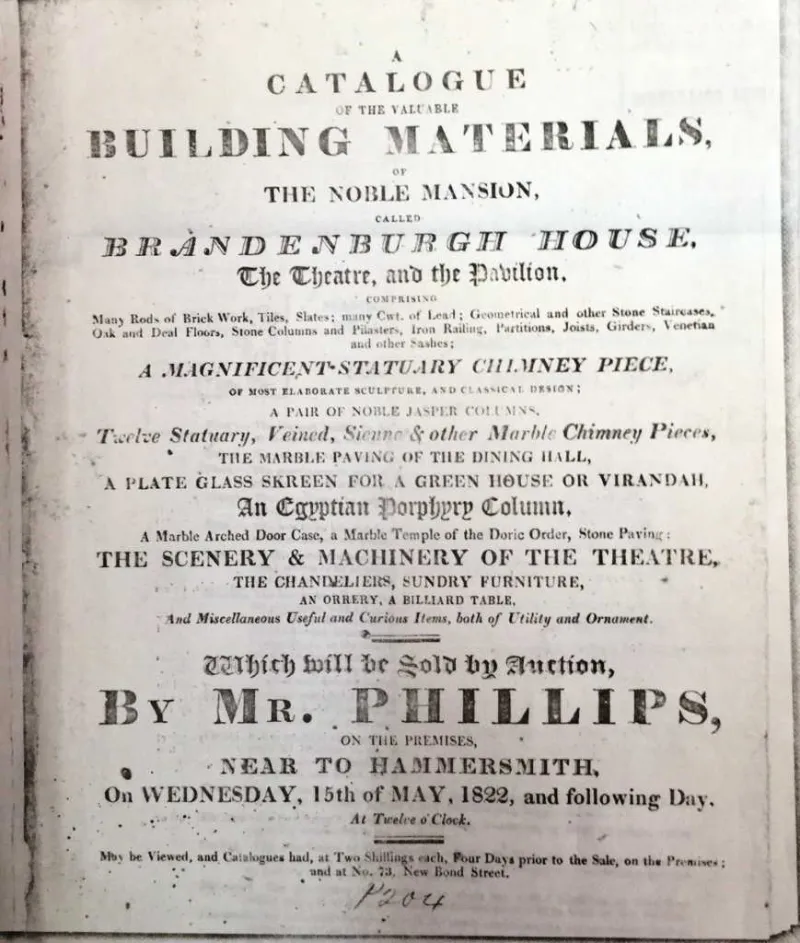
Photo: Fiona Fowler, Hammersmith and Fulham Local History and Archives volunteer, Public domain, via Wikimedia Commons
The auction house is not where you expect to find Britain's most honest theatre. It sits behind a tyre fitter on an industrial estate, between a unit selling reclaimed doors and a patch of gravel where a man in a fleece is eating a bacon roll. Inside, it smells of dust, hot water and the faint sweetness of a tea urn that has seen things. You register at a table, give your name, and get a paddle with a number. Mine was 38. I felt absurdly proud of it.
The pre-show is a table of other people's lives
Before the auction starts, you walk the lots. This is the part nobody tells you about. The viewing is not a shop. It is a series of small, unlabelled biographies. A box of assorted kitchenware, including a Tupperware colander and a set of measuring spoons that have clearly been used every day since 1987. A Hornsea Pottery jug with a hairline crack. A pair of brass candlesticks, one dented. A Raleigh bicycle, incomplete, resting against a wall like it is waiting for a bus that stopped running years ago.
You can pick things up. You can open the box. You can turn over a framed print and find a handwritten note on the back: 'To Mum, Christmas 1994.' That is the moment the auction stops being a bargain hunt and becomes something else. It is a house clearance with a sense of occasion. It is the British home disassembled in public, not with grief, but with a clipboard and a lot number.
The auctioneer is a conductor
The room fills up. Not packed, but full enough. Dealers in the front row with notebooks. Retired couples who know each other. A man who seems to buy every tool going. The auctioneer climbs onto a small rostrum and starts chatting rather than shouting. He says 'come on then' and 'fresh bid' and 'I'll take a fiver if it helps.' He moves through the lots at a pace that feels both relaxed and ruthless.
You learn the language quickly. A raised eyebrow counts. A finger. A slight lift of the chin. The room is full of people pretending not to bid, which is very British. The gavel comes down and nobody claps. The next lot begins. It is a spectator sport with no scoreboard, unless you count the buyer's premium.
The gavel does not care
Here is the lesson, and it arrives without warning. You watch a box that clearly belonged to someone become a lot, then a line in a ledger, then someone else's problem. The auctioneer does not pause for sentiment. He cannot. There are 60 lots to get through before lunch.
That sounds bleak. It is not. It is oddly liberating. The auction is a rehearsal for the fact that our things outlive us, and then they do not. You watch people let go of entire houses in an afternoon. You watch a stranger buy a set of garden chairs for £12 and look genuinely pleased. The gavel does not care what you paid for it, or what it meant, or whether you polished it every Sunday. It only cares about the next bid.
What you actually learn
I went in with a limit. I came out with a box of coat hangers for £3. I do not need coat hangers. I have coat hangers. But the box also contained a small enamel sign for a garage in Leeds, and that was worth the £3. The auction teaches you to separate the story from the object. It also teaches you to look at your own shelves and wonder which box you would end up in.
The regulars know this. They set limits. They walk away. They do not get carried away by the thrill of the chase, because the chase is not the same as wanting the thing. That is a surprisingly useful skill for a Saturday morning, and an even more useful one for a life.
A room without an algorithm
What I like most about the local auction is that nobody is performing for a camera. There is no content. There is just a room full of people agreeing that a Victorian washstand is worth £18, and a woman in the corner eating a slice of cake from the café. The auctioneer's assistant holds up a lamp. Someone's phone goes off. The tea urn gurgles. It is ordinary, and it is enough.
I went home with less than I expected and more than I needed. The paddle is still in the glovebox. Next Saturday, I might go back. Not to buy. To watch. To practise letting go.